Seasonal Queue Planning: Handling Holiday Rush Without Chaos
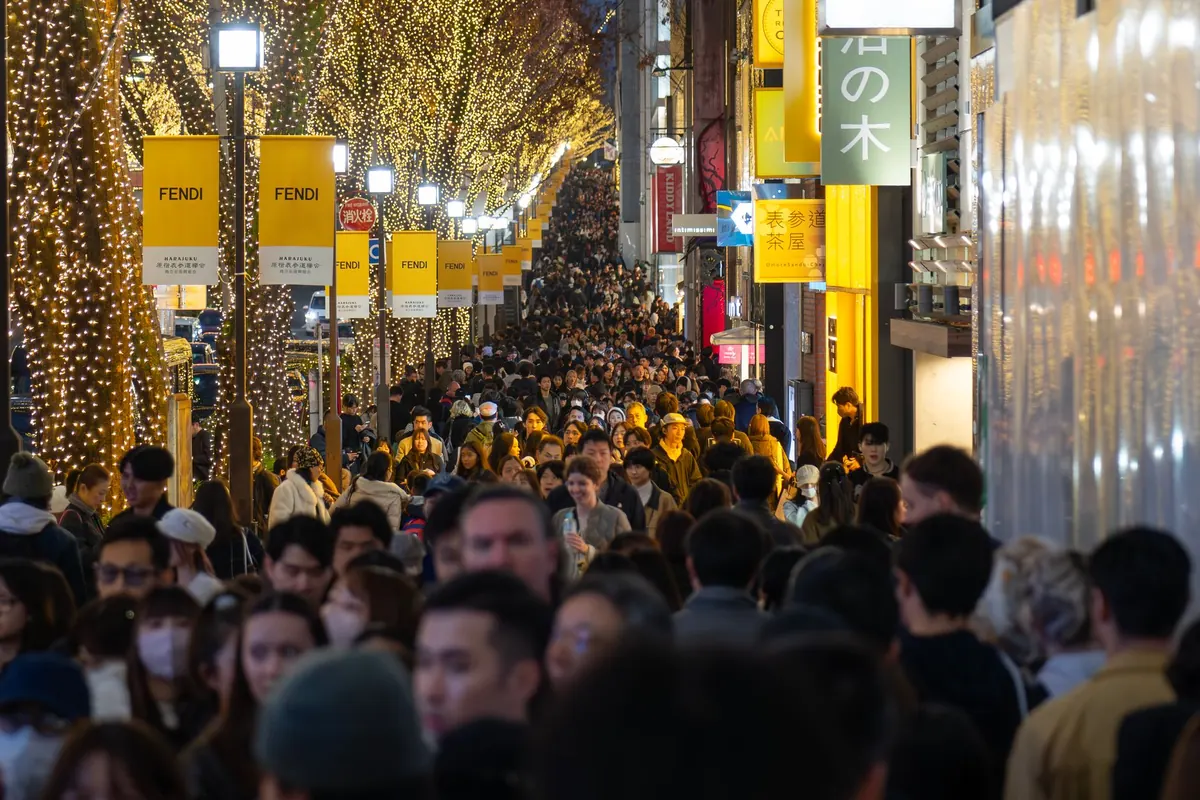
Every queue has a season. The line that clears in eight minutes on a damp Tuesday in March can stretch past the door on the Saturday before Christmas, and that difference is rarely a surprise. Holiday demand is predictable. What usually fails is the preparation: rotas built on average weeks, one till where three are needed, a queue layout designed for a calm afternoon. Seasonal planning is the work of matching the shape of your busiest days before they arrive.
Start With What Last Season Actually Did
Pull whatever numbers you already have: till transactions with timestamps, door counts, ticket scans, appointment bookings. You are looking for the shape of the day rather than the total. Export an hour-by-hour count for your ten busiest days last season and a pattern usually appears — two or three hours carry most of the strain. A pharmacy counter might take sixty people between five and seven in the evening. A garden centre might take all of its pressure in the two weekends before a public holiday.
If you have no data, this year is your data. Stand near the entrance with a phone and a tap counter and tally arrivals every thirty minutes for a week, plus a rough note of how long people waited. Then repeat it on your first busy weekend. Fifteen minutes of counting beats a spreadsheet full of guesses.
Map the Calendar, Hour by Hour
Holiday pressure is not spread evenly across December, or across any busy period. It clusters: the first Saturday after payday, the day school holidays begin, the last two hours before closing on the eve of a holiday. Write those dates on a wall calendar, then add the likely peak hours under each one.
For every peak block, settle three questions in advance:
- How many people do we need serving customers, not just present on site?
- How many customers will be waiting at the worst moment, and where will they stand?
- What will we stop doing — a report, a side task, a non-urgent process — so the front line keeps moving?
Naming those decisions early means nobody has to invent a plan at 11 a.m. on the busiest day of the year.
Add Capacity Where the Line Actually Bottlenecks
Adding staff everywhere is expensive and often pointless. Find the constraint first. Watch one busy hour and look for the single step holding everyone up: a card machine that needs a signature, one person taking phone calls while serving, a bag check with a single scanner.
Temporary capacity usually comes in a few forms:
- Service points. A second till, a pop-up counter, a tablet with a card reader, or a click-and-collect table away from the main door.
- Roles. Someone whose only job is greeting, sorting and directing people. Someone floating to restock or fetch items from the back.
- Channels. Pre-orders, timed slots, online payment, or a self-service kiosk that pulls simple transactions out of the main queue.
- Space. Temporary barriers, extra seating, a covered area outside if people will be waiting in the rain.
Each option needs an owner and a trigger. "Open the second till when more than six people are waiting" works far better than "open it when it gets busy," because anyone can apply the rule without judgement.
Brief the people who only work the rush
Seasonal hires need a short walkthrough before the peak, not on the day: where the queue starts and ends, the trigger rules, how to hand over, and who to ask when something goes wrong. A twenty-minute session on a quiet afternoon saves an hour of confusion on a busy one. Put new starters on a trial shift during a moderately busy day so their first rush is not also their first shift.
Design the Queue for Crowds, Not for Calm
A layout that feels charming with four people in it can become a tangle with forty. Switchbacks give you more waiting capacity in the same floor space and stop one long line from blocking aisles or the entrance. Make the end of the queue obvious from the doorway. If a customer has to ask where the line starts, the calm has already gone.
Small details matter more when it is busy:
- Keep the queue path clear of displays, bins and price-check stations.
- Mark the last few metres before service so people do not crowd the counter.
- Place self-service or quick-payment options where waiting customers can see them.
- Check sightlines — someone standing in line should be able to see the screen, the sign or the exit.
Crowds forgive a long wait more easily than a disorganised one.
Tell People What to Expect Before They Join
Uncertainty makes a wait feel longer than it is. A sign reading "about 15 minutes from this point" turns an unknown into a plan, and people can decide whether to stay, come back later or order ahead. Then keep it honest. If the sign promises ten minutes and forty pass, you have spent the goodwill it earned.
For long or unpredictable waits, a virtual queue or pager system lets people shop, sit or step outside instead of standing. Those systems need rules too: how much notice customers get, what happens if they miss their turn, and how staff handle the moment when half the waiting list returns at once.
Have a Plan for the Day Something Breaks
Peak days are when equipment, internet and people fail. Write a one-page contingency note and keep it behind the counter: who calls the card terminal provider, where the manual backup sits, how to switch to cash only, which team member can cover which role, and when to call a manager who is not on site.
Plan for bodies as well as systems. Stagger breaks so nobody works five hours straight through the rush, and rotate anyone who has held the busiest position for more than an hour or two. Tired people make mistakes, and in a queue every mistake is visible to everyone behind it.
The Debrief That Makes Next Year Easier
Do this within a week of the peak, while memories are fresh — thirty minutes, one shared note:
- Which hours were worst, and did that match the forecast?
- Which trigger rules worked, and which nobody remembered?
- Where did customers look confused?
- What would we change if we had a week's notice?
File it with your counts and the calendar. Next season, planning starts from evidence instead of memory, and the rush becomes a busy stretch you already know how to run.
Photo: Timo Volz / Pexels