Wait Time Psychology: Why Distraction Beats Speed Every Time
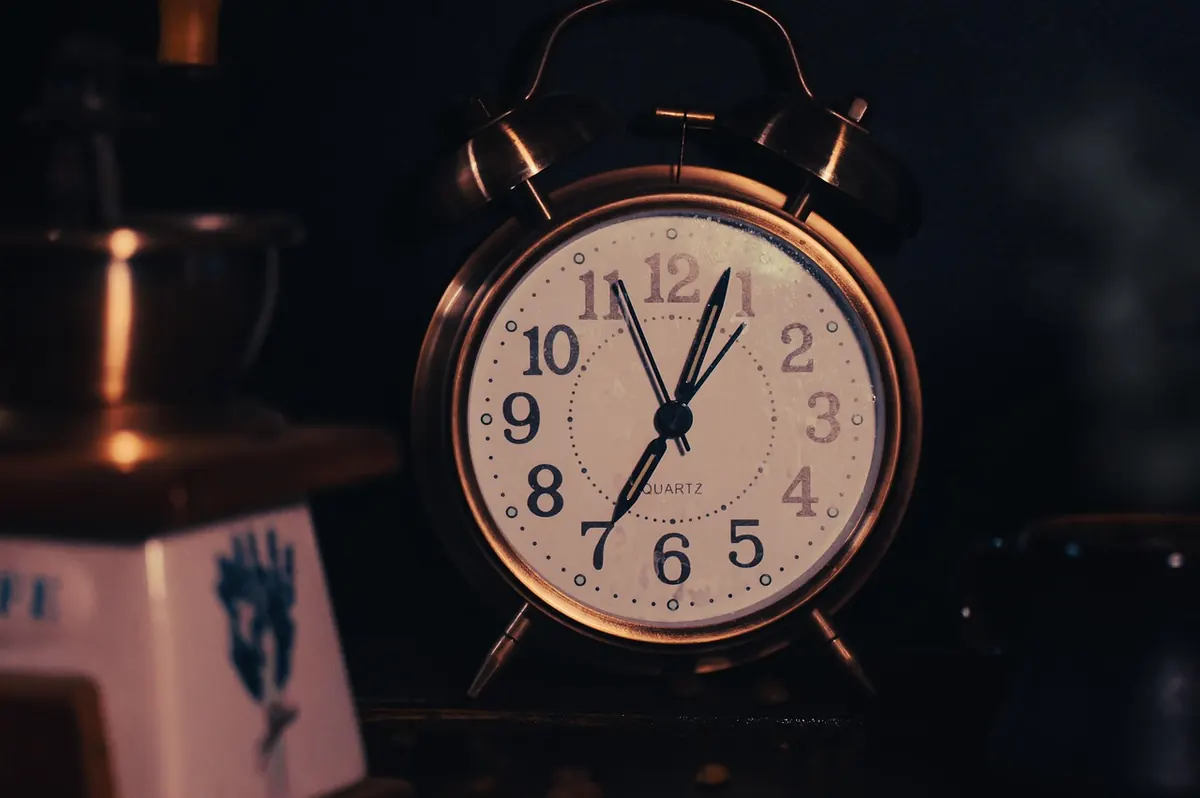
Two clocks start the moment someone joins a queue. One is on the wall. The other is in their head, and it runs at its own pace: faster when they're bored, nearly stopped when they're absorbed, and grindingly slow when they have no idea how long this will take. Operators who manage only the first clock buy more staff and still collect complaints. Managing the second clock costs far less and usually changes the outcome more.
Perceived time and actual time are different problems
Saving four minutes on an eight-minute wait helps a little. Making those same eight minutes feel like five helps a lot. That isn't a party trick. It's how attention and memory behave in a queue.
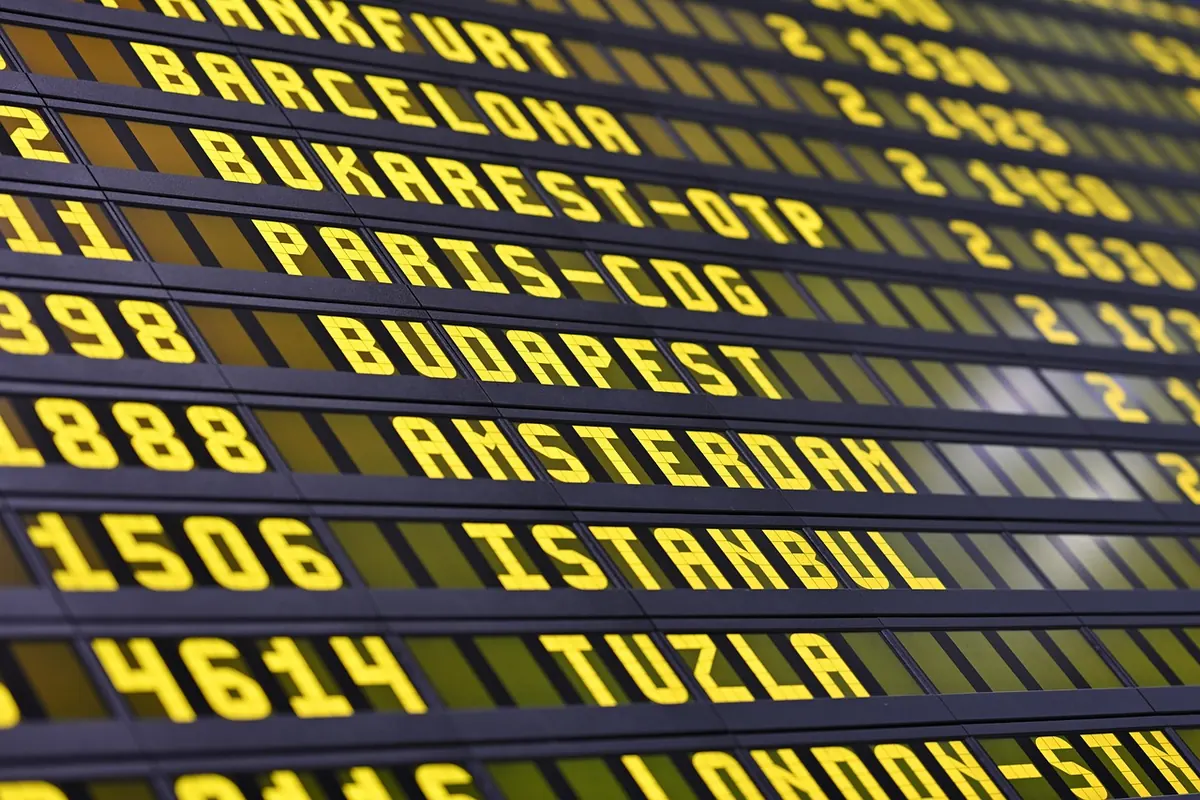
Picture two airport arrivals. In the first, passengers walk five minutes from the gate to baggage claim and find their bags already circling. In the second, they stand still for five minutes watching an empty belt. Same total time, different experience, and the standing-still version breeds far more irritation. The walk gave their attention something to do. The standing gave it nothing but the clock.
Memory works the same way. People don't remember a wait as an average. They remember the worst stretch and the final stretch, then roughly blend those into a verdict. A queue that is merely long throughout is often remembered more kindly than one that's fine until a chaotic last five minutes.
Boredom inflates the wait, information shrinks it
Two levers control how long a wait feels, and they work independently.
The first is occupation. Empty time stretches. Someone scrolling, chatting, watching a screen or working through a simple step isn't measuring the queue, because their head is somewhere else.
The second is predictability. An unknown wait is more stressful than a known longer one. Ten minutes with an accurate countdown usually beats four minutes of "should be soon." Uncertainty isn't passive: it keeps people monitoring, checking the door, re-estimating, and rehearsing how annoyed they'll be by the time they reach the front. That monitoring is work, and it feels like waiting.
Distraction without information is a napkin over a mess. Information without distraction is a countdown to frustration. Both together is where queues go quiet.
What good distraction actually looks like
- Relevant content beats generic content. A screen showing what's happening in this building, this service or this industry holds attention. A looping ad for something unrelated reads as noise within fifteen seconds.
- Progress is the best distraction. A number that counts down, a ticket called every few minutes, a line that's visibly moving: each gives the brain a reason to check in rather than stare.
- Small choices return control. Letting people pick a service, enter details on their phone or choose between two lines gives them something to do and a sense of agency.
- Ambient comfort does quiet work. Reasonable temperature, decent light, something to lean on and a clear sightline to the counter all soften the low hum of irritation.
- Anything needs maintenance. A frozen screen, a stale estimate or a loop that skips is worse than no screen at all. Half-broken distraction reminds people they're waiting.
Comfort changes the arithmetic
Physical circumstances shift how people read time. Standing feels longer than sitting. Being pressed into a crowd feels longer than having a metre of space. Not being able to see the front of the queue feels longer than watching it creep forward.
So the cheapest improvements are often spatial, not digital. Move the line so the end is visible. Add a rail so people have something to rest against. Take the bend out of the queue so nobody wonders whether the other aisle is moving faster. Put a floor marker where the ten-minute point actually falls, so the wait has landmarks.
None of this changes throughput by a second. It changes the report customers give when they leave, which is the number most businesses are really tracking, whether they admit it or not.
Updates do more work than screens
If you can only fix one thing, fix the uncertainty. Most of the anger in a long queue comes from being left to guess.
Say something at the start. A greeting, a rough range, an explanation of what happens next. "About fifteen to twenty minutes from this point" is very different from silence, even when fifteen minutes is bad news. Then update it. If the estimate slips, say so before people work it out for themselves. An honest correction costs far less goodwill than a discovery.
Ranges beat false precision. A promise of twelve minutes that becomes twenty is a broken contract. A range of ten to twenty that lands at eighteen is a kept one. When you genuinely don't know, say that once, then say when you will.
Distraction has limits
Screens and comfort can soften a wait. They cannot hide an unfair one. The instant a customer sees the other line pulled ahead, or a later arrival served first, the entertainment stops mattering. People tolerate long queues far better than they tolerate being treated inconsistently.
Don't over-distract at the end, either. The final minutes carry disproportionate weight. Someone nearly at the counter wants to be acknowledged, not amused. A nod, eye contact or a quick "you're next" does more than any display.
Putting it to work
- Measure both waits. Time the actual queue, and ask people afterwards how long they thought they waited. The gap tells you where to spend effort.
- Give a range the moment someone joins, then update it before they ask.
- Show progress somewhere visible: a called number, a moving line, a countdown that's roughly honest.
- Offer something to do that belongs to your service, not just something to watch.
- Fix the queue's shape before you buy a screen. Sightlines and seating are cheap.
- Keep the last few metres human. Staff attention is the best closing screen you'll ever install.
Fast service is worth chasing, but speed alone puts a ceiling on satisfaction. How a wait feels is a design decision, and it's one most teams never make on purpose. Make it on purpose.
Photo: RuslanSikunov / Pixabay